Home / By location
By locationPressure Washing Cost in Charleston, SC
Charleston is really two pricing markets in one metro — soft historic brick and lime mortar on the peninsula, ordinary fiber cement and vinyl across the bridges. Which one you own decides your quote.
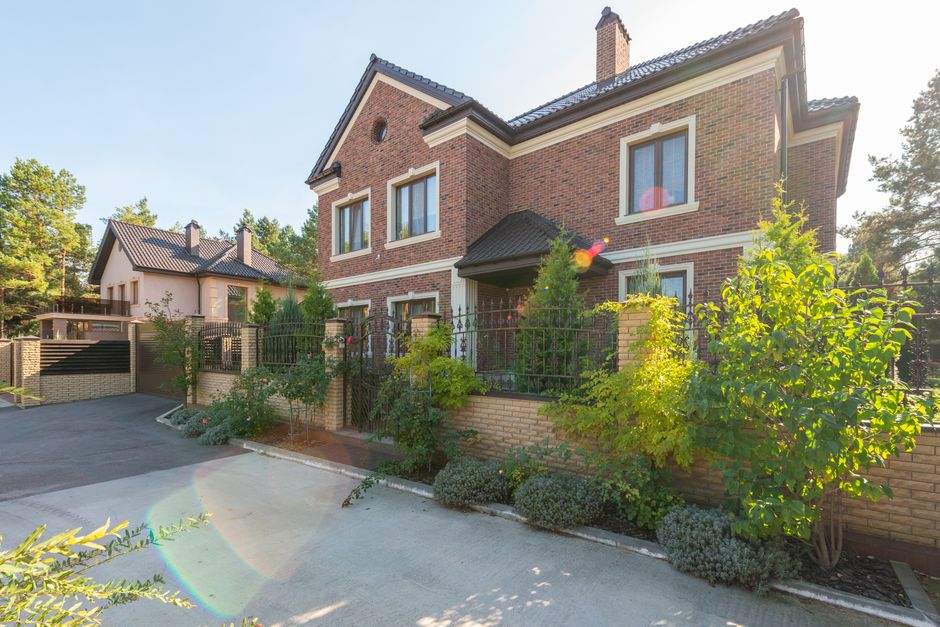
In Charleston, a typical single-story house wash runs about $180–$350, a two-story $350–$700, a driveway $110–$240, and a shingle roof soft-wash $375–$775. The metro average of about $330 sits in the upper middle of our table — below Naples, above inland Columbia and Greenville. The single biggest swing factor is not house size: it is whether the home is historic masonry, which is slower, gentler, higher-liability work and can add 30–60% to the same square footage.
Most cost pages treat a metro as one number. Charleston genuinely is not. A 1,900 sq ft fiber-cement house in Mount Pleasant and a 1,900 sq ft antebellum brick house South of Broad are the same size and are not the same job — different chemistry, different pressure, different insurance exposure, and a materially different price. Understanding which market your home sits in is most of what you need to read a Charleston quote.
What Charleston homeowners actually pay
| Job | Typical range | Notes |
|---|---|---|
| House wash — single story | $180 – $350 | Soft wash. Suburban fiber cement, vinyl, or stucco across the bridges. |
| House wash — two story | $350 – $700 | Reach and ladder time drive the jump more than the chemistry does. |
| Historic masonry house wash | $400 – $1,100 | Peninsula brick and stucco. Test patches, lowest workable pressure, slow. |
| Driveway / walkway | $110 – $240 | Surface cleaner on concrete. Live-oak tannin staining often needs a second pass. |
| Roof soft-wash — architectural shingle | $375 – $775 | Soft-wash only; never a power washer. |
| Roof soft-wash — standing-seam metal | $400 – $800 | Common here. Washed from ladders and edges, not walked. |
| Piazza / porch | $125 – $300 | Painted wood, often with a haint-blue ceiling. Its own line, priced as careful work. |
| Whole-home package | $400 – $875 | House + driveway, sometimes with the roof or piazza bundled. |
The historic-masonry premium, and why it is legitimate
Charleston’s oldest housing stock is soft, handmade brick laid in lime-based mortar — a wall system that is far more fragile than modern brick and Portland-cement mortar, and one that a rented machine can permanently ruin in an afternoon. The Brick Industry Association’s technical note on cleaning brickwork is direct about it: pressurized water has been used successfully on brick, but it can cause irreparable damage if done incorrectly and is only appropriate for certain brick types. Its standing instruction is to begin with the gentlest method and materials that will do the job, to test the procedure before committing to the wall, and to keep the nozzle back from the surface rather than aiming a jet straight down the mortar joints — which is exactly how soft joints get washed out. On a peninsula house that means test patches, the lowest workable pressure, and a crew willing to spend a day where a suburban wash takes three hours. That is what the higher line item buys. It is also why a rock-bottom quote on a historic Charleston house is the most expensive quote on the page.
Two markets, one metro
Across the Ashley and the Cooper, the picture changes completely. Mount Pleasant, West Ashley, James Island, Daniel Island, and Summerville are largely late-20th-century and newer — fiber cement, vinyl, and modern brick veneer — and they price like a normal Southeastern suburb. Nothing there needs the historic treatment, and you should not be charged for it. If a quote for a 2008 house in Park West reads like a Rainbow Row quote, ask what specifically about the wall requires it. Conversely, if a peninsula quote reads like a suburban one, that is the more worrying direction: it usually means the crew is planning to clean it like a driveway.
Pluff mud, humidity, and why growth comes back fast
The Lowcountry is a tidal marsh estuary, and the humidity that comes with it runs high nearly year-round. Shaded north elevations, piazza ceilings, and anything under a live oak stay damp long enough to grow, so the black and green film on Charleston walls is biological rather than dirt — and it regrows on a schedule. That is a maintenance interval question as much as a cleaning question. The EPA’s guidance on mold and moisture makes the underlying point that matters for pricing: mold and mildew are moisture problems, so a wash that drives water behind siding or into a soft mortar joint trades a visible stain for a concealed moisture problem. Drying and drainage matter as much as the cleaning itself, which is another reason the careful version of this work costs more than the fast version.
Roofs: mostly shingle and metal, and neither gets blasted
Charleston roofs skew architectural shingle in the suburbs and standing-seam metal on and around the peninsula, with slate and tile the rare exception. On shingle the rule is unambiguous — the Asphalt Roofing Manufacturers Association tells homeowners not to use a power washer at all, because the pressure strips the granules that protect the shingle, and prescribes a cleaning solution with a 15–20 minute dwell time instead. The streaking it removes is Gloeocapsa magma, a living algae; blasting takes off the surface layer and leaves the organism to regrow within a season. Metal is a different failure mode but the same conclusion: it is slick and it is walked as little as possible, so a metal roof is cleaned from ladders and edges, which costs time rather than pressure. Any Charleston roof quote priced on speed is quoting a worse job.
Live oaks, tannin, and the driveway line
Charleston’s canopy is one of its best features and is quietly hard on flatwork. Live oaks and Spanish moss drop leaves, catkins, and acorn debris that sit on concrete and leach tannin, leaving brown staining that a single pass with a surface cleaner often will not fully lift. A crew that knows the market prices a second pass or a dedicated treatment for it rather than discovering it mid-job — worth asking about directly if your drive sits under a mature oak.
Where the wash water goes
Charleston storm drains discharge to the Ashley, the Cooper, and the harbor, and the peninsula’s low elevation and tidal drainage mean anything entering a drain reaches the water fast. Detergent and killed algae going down a storm drain arrive untreated, which is precisely what the EPA’s stormwater best-practice guidance exists to prevent. A crew that captures and disposes of wash water properly is carrying a real cost that the cheapest quote is not, and asking how they handle it is a fast way to tell the two apart.
Getting a real number
Photograph the front elevation, the roof, the driveway, and the piazza if you have one, and say plainly whether the house is historic masonry — it is the single fact that moves the price most, and a crew that does not ask is a crew that has not planned for it. Ask for a flat price by the job rather than an open hourly rate, and confirm the roof and any masonry are soft-washed. Locally, the Charleston pressure washing crew we recommend quotes flat across the Lowcountry and treats low pressure on historic brick as a rule, not an upsell. Our estimator will put a range on it before you call, and our cost-by-city table shows where Charleston sits against the rest of the Southeast.